


AI can write the code. We make it run, and keep it running.
You have a prototype on an ESP32, Arduino or PIC, a motor, LED or power circuit to drive, and code from a freelancer, a forum or ChatGPT. An engineer with eight years in production and R&D gets it working on your actual hardware, sources the parts, explains how it all works, and then keeps it up to date over WiFi with signed remote updates and a daily health check.

From a sketch that compiles to a device you can rely on
Getting code to compile is the easy part. Making it behave on real wiring, real power supplies and a real home WiFi network, then changing it six months later, is where projects stall.
Typical requests
Bigger changes are costed in updates before we start. Fixes to our own work never use up an update.
- Daily check-in: your device, on home WiFi, asks Hark Tech if there is a new version.
- New version found: we have made your change, tested it and published it, signed.
- Download and verify: the device checks our signature, installs it and restarts. Anything unsigned is refused.
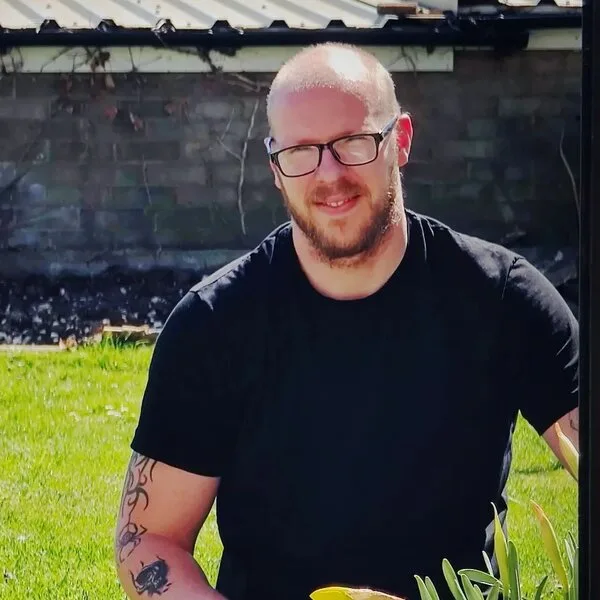
R&D experience, not just a code editor
Before Hark Tech, eight years building, calibrating and then engineering high-precision motion-controlled imaging machines for a Basingstoke manufacturer, from the production floor to designing upgrades and writing the firmware that ran them.
Today the same bench handles board-level repair, firmware and prototype builds. You deal with the engineer doing the work, from the first email to the last update.
Motor control
Stepper and DC motor drive, including upgrading machines to modern TMC stepper drivers and writing the control firmware for them.
Firmware
PIC microcontrollers as well as ESP32 and Arduino: timing, motion, sensors, and web control pages on WiFi boards.
LEDs and power
Addressable and power LEDs, current limits, supply sizing and the power circuits that keep them stable under load.
Sourcing
Parts found for prototypes and small batches, and obsolete or out-of-stock components replaced with matching or modern equivalents.
Explaining
Your circuit and code walked through in plain English and written up: wiring, what each part does, and what to check if it stops working.
Building
Prototype assembly, hand-soldered small batches, component-level fault finding, and printed parts from the same workshop.
Design, sourcing and build work is quoted for your project before anything starts.
Pay per update, or buy a pack while you develop
Prototypes change in bursts. Packs let you use updates when you need them, without a monthly bill for quiet months. No VAT is added; Hark Tech is not VAT registered.
Pay as you go: £40
Per update. Right for a finished device that only needs the odd change. Includes the remote install and the daily health check.
Starter pack: £175
Five updates (£35 each) to use any time within 12 months. Right for a prototype that is close to done.
Development pack: £360
Twelve updates (£30 each) within 12 months, and your changes go to the front of the queue. Right while the design is still moving.
Getting a device ready for remote updates, or writing new firmware from scratch, is quoted for your project before any work starts. Every update email tells you how many updates you have left.
One visit to the bench, then updates over WiFi
Tell us about it
What the device does, the board, the circuit and any code you have. We reply with a quote or a sensible next question.
Post it in once
The first setup is done over USB on our bench, the same mail-in process as our repairs.
Built and tested
We get it working, add the control page and remote updates, run the test procedure, and post it back tracked.
Ask for changes
Email what you want. We make the change, test it on a bench board and publish it; your device installs it by itself.
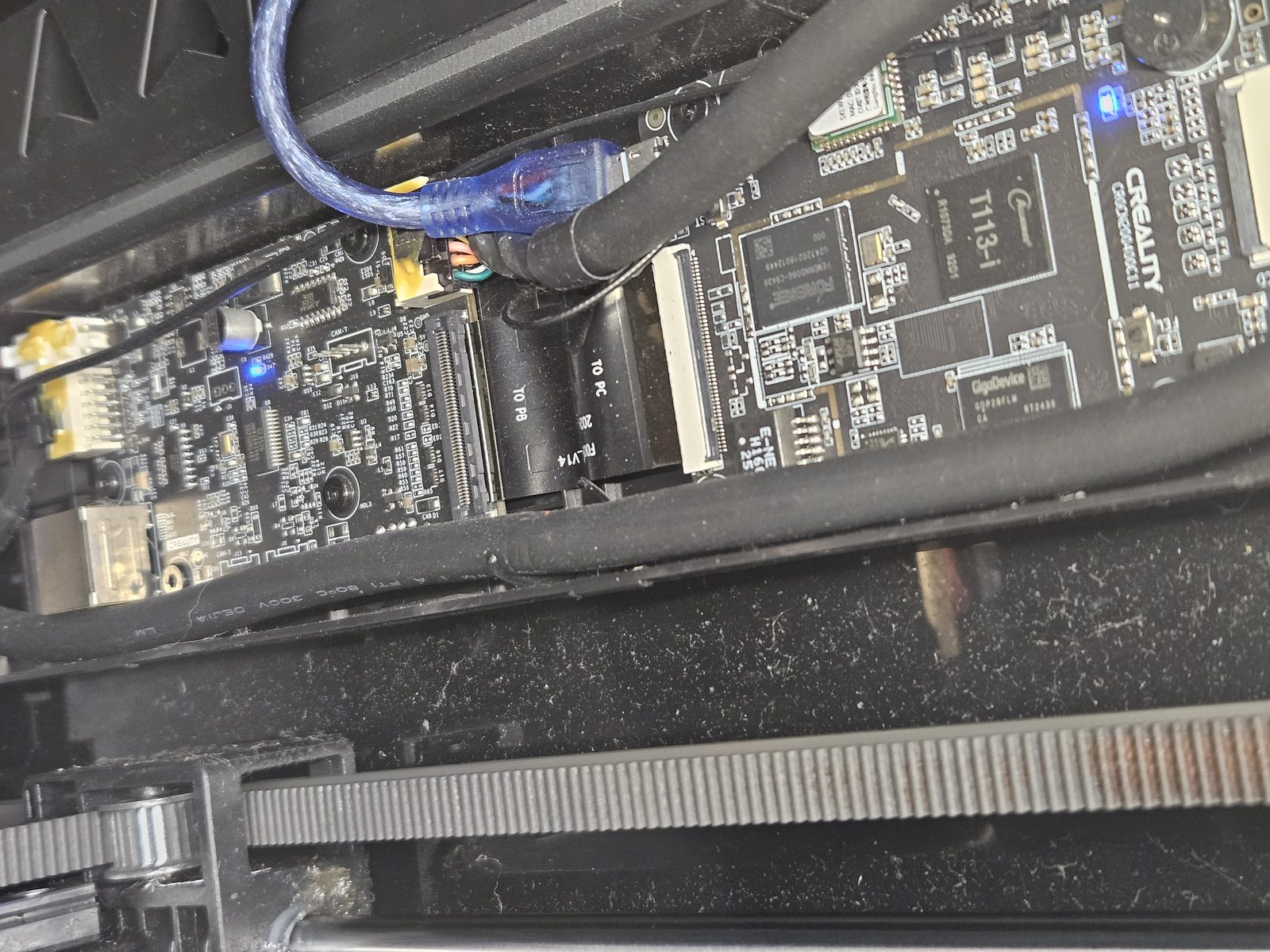
People with a working idea and nobody to keep the code going
If your prototype works on the bench but you cannot change it, update it or trust it in someone else’s house, this is for you.
Need an enclosure or brackets too? We print them from your CAD in the same workshop. See rapid prototyping.
Prototype electronics and firmware, answered
I already have code from ChatGPT or a freelancer. Can you work with it?
Yes. Send us the sketch or project and the board. We get it building, flash it, test it on your actual hardware and fix what does not work. AI-written code is a fine starting point; the gaps are usually wiring, power, timing and what happens when the WiFi drops.
How do remote updates work?
Once your device is on WiFi it checks with Hark Tech once a day. When we publish a new version for your device it downloads it, checks it is signed by us, and installs it when nobody is using it, then restarts. Anything unsigned or damaged is refused and the device keeps running the version it has. The owner can switch updates off at any time.
What does the daily health check send?
The firmware version, how long the device has been switched on, the reason for its last restart and its WiFi signal strength. That is enough to spot a device that keeps restarting or has dropped off WiFi. Nothing else is sent.
What counts as one update?
A change that takes up to about an hour: a new pattern or mode, a setting, a page tweak, a bug fix in your own feature request. If something is bigger we tell you up front how many updates it needs before we start, so there are no surprises.
Do I need to post the device to you?
Once, at the start. The first setup has to be done over USB on our bench, the same mail-in process as our repairs. After that every update reaches it over WiFi, wherever it is.
Which boards and circuits do you work with?
ESP32 boards (including the WROOM-32 and 32U modules), Arduino-class boards such as the Uno and Nano, and PIC microcontrollers. On the hardware side: stepper and DC motor drivers, addressable and power LEDs, sensors, and the power circuits that feed them. Remote updates over WiFi need an ESP32 or another WiFi-capable board.
Can you find parts for my design, or replace obsolete ones?
Yes. We source components for prototypes and small batches, and when a part is obsolete or out of stock we find a matching or modern equivalent and check it suits the circuit before you commit.
I do not fully understand how my project works. Can you explain it?
Yes, and that is a big part of the job. We walk you through your circuit and code in plain English and write it up: what each part does, how it is wired, and what to check if something stops working. You end up with documentation you can hand to the next person.
Will my project stay confidential?
Yes. Nothing is shared, posted or used as a case study without your written permission, and we are happy to sign your NDA before you send anything. Patent-pending projects are welcome.
Who owns the code?
You own the code written for your product once it is paid for. We keep our own general-purpose building blocks (the update and web-page framework) so we can keep supporting your device.
Can you build a phone app?
Most projects do not need one: the device serves its own control page that works in Safari and Chrome and can be added to the home screen like an app. A dedicated Android app can be quoted case by case. iPhone apps need a paid Apple developer account on your side.
What do you not take on?
Safety-critical and medical devices, and phone or tablet repair. If we are not the right people for a job we say so before you spend anything.
Tell us what your device does
Send the details and we come back within a working day with a quote or a sensible next question. Prefer email? [email protected].
Electronics, firmware, sourcing and printing in one UK workshop
The engineer who flashes your board also tests it on the bench, writes your updates and answers your emails directly.