Joy-Con not detected, not charging in the rail, or the latch broken? Slide-rail and contact replacement.
“super professional and kept me informed”
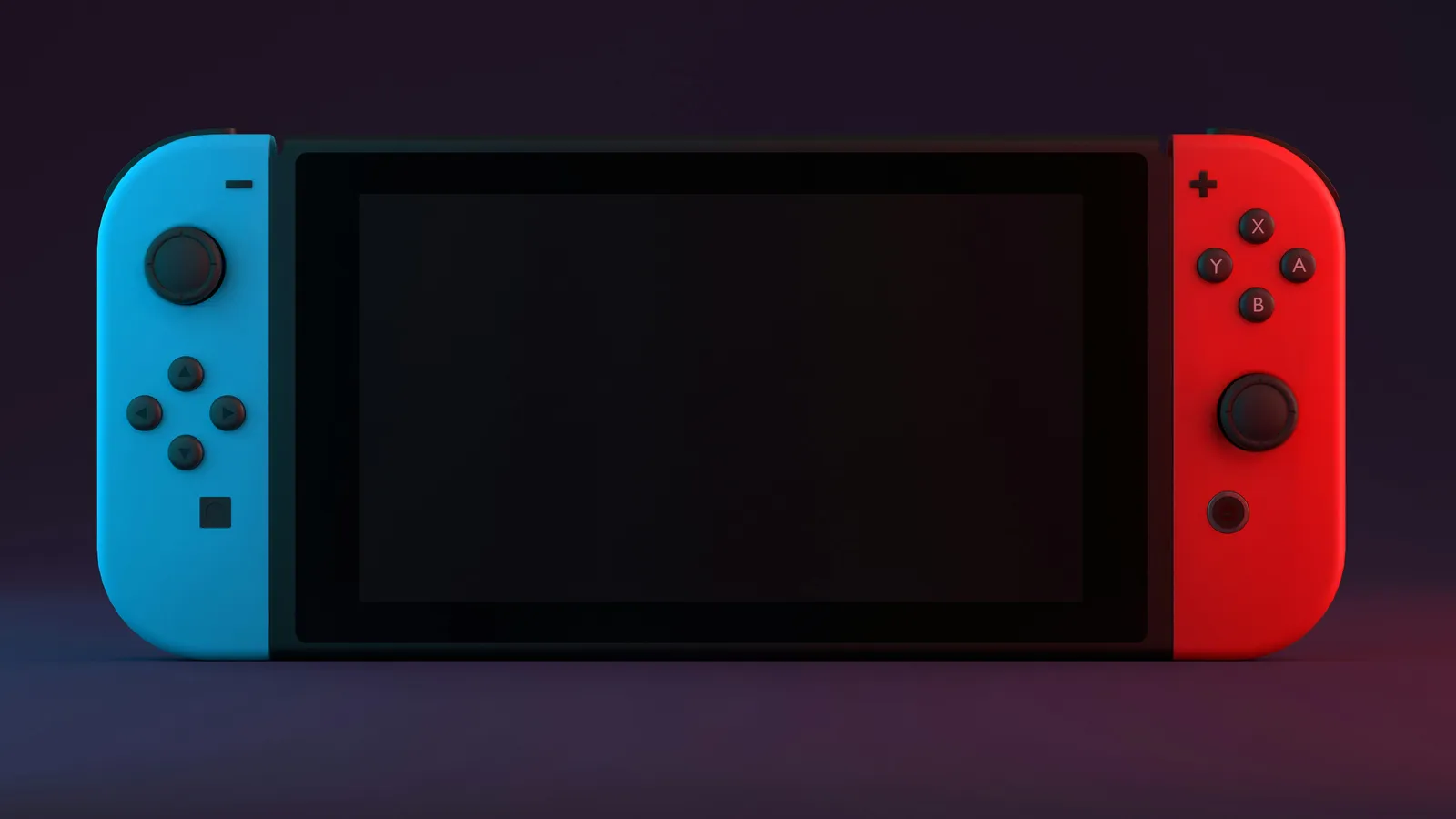
The Joy-Con rail is the slide connector that joins each controller to the console. It carries both the data line and the charging current, and it's mechanically loaded every time the controller goes on or off. Two failure modes dominate: the small flex contacts inside the rail wear out and lose connection, or the spring-loaded latch snaps and the controller no longer locks in place.
Either fault stops the Joy-Con being detected or charged in the rail. The repair is fiddly — the rail PCB is small, the ribbon to the mainboard is short — but the parts are inexpensive and the job holds well once done properly.
If only one Joy-Con misbehaves it's usually the controller. If both misbehave on one side it's the console rail. We check before quoting.
Most shops only swap the whole rail assembly. We can replace just the latch spring where the rail contacts are still healthy — cheaper for you.
While the Joy-Con is open we test the analogue stick for drift. If it's worth doing in the same job we'll quote it as a combined repair.
Typical labour ranges (parts on top at supplier cost):
If only one Joy-Con misbehaves it’s usually the controller; if both fail on one side it’s the console. We diagnose before quoting. Drift-stick replacement available as a combined job for a discounted second-job rate.
Send photos for a free quote first. Board-level work starts with a £40 assessment, redeemable in full against the repair, and no chargeable work starts without your approval. Parts at supplier cost — you see the invoice. See full pricing structure.
Either the contacts inside the rail are worn (no electrical connection) or the latch isn't engaging fully so the controller doesn't seat against the contacts. Both feel the same to the user. We can tell which by inspection — worn contacts show as visible pitting on the gold pads, broken latches don't lock with the usual click.
If only one Joy-Con has the issue and it works fine wirelessly, it's the controller's rail. If both Joy-Cons fail on the same side of the console but work fine on the other side, it's the console's rail. If wireless also fails, it's not a rail problem at all.
Free photo quote. Pricing depends on whether it's the Joy-Con rail, the console rail, or both — and whether just the latch needs replacing or the whole assembly. Confirmed in writing once we've opened the unit.
Yes. If the analogue stick is also drifting, we can replace it during the same repair for a small additional cost — the labour overlap means it's much cheaper as a combined job than booked separately.
Yes. The pairing is stored on the controller's mainboard which we don't touch. Slide it on after the repair and it picks up where it left off.
Typically 3–5 working days from arrival including bench-test time.
The Switch 2 rail is mechanically similar but with magnetic assistance. Wear pattern is slightly different — we'll know more as the platform ages. Send a photo and we'll confirm what's possible.
Send a couple of photos via the contact form or WhatsApp and you’ll have a firm quote back the same day.
The Joy-Con rail is a small metal slide bracket bolted to the side of the controller, with a flexible contact strip that carries power and data between the Joy-Con and the Switch console. When the connection drops out, the rail will not latch, or charging fails in the dock, it is almost always one of these two parts that has worn or cracked. We swap the rail bracket, the contact flex, or both, then reseat the latch spring and test the controller on a console before it goes back to you.
Most failures we see are physical: the controller has taken a knock, the latch has snapped, the contacts inside the rail are bent or corroded, or the ribbon cable behind the rail has fatigued from being slid on and off repeatedly. Less often the fault is on the mainboard, and in that case we will tell you up front rather than fit a new rail that cannot solve the problem.
The original Switch and the Switch OLED use slightly different rail assemblies, and the Lite has no detachable rails at all because the controls are fixed to the chassis. Tell us which model you have when you book in and send a clear photo of the Joy-Con so we can confirm the correct part before quoting.
We quote each Joy-Con individually from photos because the price depends on whether it is just the rail, just the latch, or the contact flex behind it. Many jobs come in well under the cost of a new pair of Joy-Cons from Nintendo, which is normally where the maths makes sense to repair rather than replace. If we open it and find a deeper mainboard fault that pushes the cost past sensible, we tell you and you only pay return postage.
Honestly, you can, if you are comfortable with a tri-wing screwdriver, ZIF ribbon connectors, and very fiddly internal cables. Replacement rails are sold online for a few pounds. The two things that catch people out are the tiny ribbon behind the rail (it tears easily) and reseating the latch spring without losing it. If that does not sound like a fun Sunday afternoon, post it to us.
If liquid has been inside the controller for a while and the mainboard is corroded, or if the housing is cracked badly enough that the rail will not bolt back down square, repair stops being economic. We will be straight with you after the inspection.
We quote from photos because the price varies with what has actually failed: just the rail bracket, the latch, the contact flex behind it, or a combination. Send a couple of clear photos through the contact page and we will come back with a fixed price for that controller before you post anything.
Once the Joy-Con is on the bench it is usually a same-day job, and most controllers ship back within a few working days of arrival. The slower part is normally the post in each direction, so plan for roughly a week door to door.
Yes, if you have a Y00 tri-wing screwdriver, fine tweezers, and patience. Replacement rails cost a few pounds online. The ribbon cable behind the rail tears very easily and the latch spring loves to ping across the room, so go slowly. If you would rather not, post it to us.
Wear and tear, mostly. The contacts inside the rail flex every time you slide the Joy-Con on or off, the latch takes the strain when the controller is knocked, and the ribbon cable behind the rail fatigues over thousands of cycles. Drops and liquid spills speed all of that up.
Usually yes. A rail repair is normally well under the cost of a new pair from Nintendo, and it keeps a working controller out of landfill. The exception is a Joy-Con that also has stick drift, a cracked shell, and a mainboard fault — at that point a replacement set tends to make more sense, and we will tell you if we find it.
